


You have to see these 8 UNESCO World Heritage Sites in Vietnam
You Have To See These 8 UNESCO World Heritage Sites in Vietnam
Vietnam is a place where history, nature, and culture all work together in a beautiful way. Vietnam has kept its history alive through old towns, sacred temples, regal citadels, and stunning natural landscapes. The country stretches from foggy mountains in the north to rich river deltas in the south.
These heritage sites are more than just tourist attractions; they represent living stories of Vietnam's past, strength, and identity. UNESCO has recognized them for their universal worth. These 8 UNESCO World Heritage Sites in Vietnam should be on your agenda if you want to have a meaningful and in-depth vacation in Vietnam.
Gantu believes travel should be more than just visiting new places, and these sites do that.
What You See in this Experience:
Bay of Ha Long
Old Town Hoi An
My Son Sanctuary
Citadel of the Ho Dynasty
The Trang An Landscape Complex
National Park of Phong Nha – Ke Bang
Group of Hue Monuments
Imperial Citadel of Thang Long
1. Bay of Ha Long
Nature's Moving Sculpture
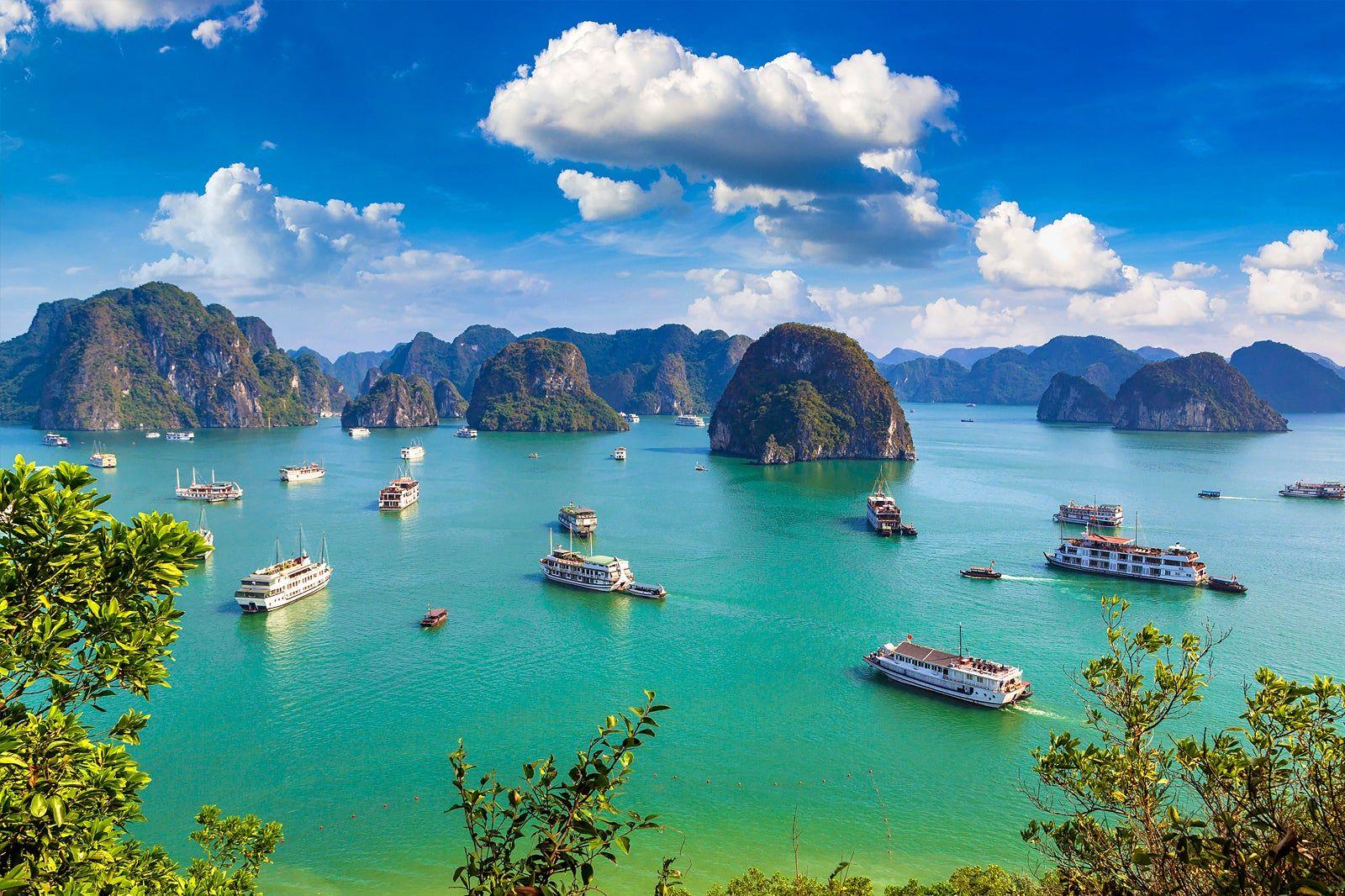
Vietnam's most famous natural wonder is Ha Long Bay, and for good reason. Thousands of limestone karsts rise sharply from calm, emerald seas, giving the area a surreal appearance. UNESCO named the bay a World Heritage Site in 1994 because of its geological importance and its beauty.
As you cruise through the harbor, you'll discover secret caverns, floating fishing communities, and quiet lagoons untouched by sounds. Kayaking among limestone pillars is a close-up way to see the area, and the bay looks beautiful in the gentle gold and blue light of sunrise and sunset.
The best months to go are March–April and October– December.
Quang Ninh Province, Northern Vietnam, is where it is located.
2. The Old Town of Hoi An
A Living Legacy of Trade and Culture
When you go to Hoi An, it feels like you're going back in time. This well-preserved town used to be a busy international commercial port. It has a mix of Vietnamese, Chinese, and Japanese influences. The wooden cottages, tiled roofs, historic bridges, and streets lit by lanterns all tell stories of the merchants and craftsmen who lived in the area.
Hoi An is different from many other historic towns in that it is still alive. People in the area still make lanterns, ceramics, and other traditional crafts. People can take cooking classes, ride their bikes around nearby villages, or just walk around the town at night when it is lit up.
Inscription by UNESCO: 1999
Place: Quang Nam Province, in the middle of Vietnam
3. The My Son Sanctuary
Echoes of a Long-Gone Hindu Kingdom
My Son Sanctuary is one of Vietnam's most important archeological sites for spirituality. It is hidden in a green valley between mountains. The Champa civilization built these Hindu temples between the 4th and 13th centuries. They were dedicated to Lord Shiva.
Despite the Vietnam War's destruction, the remaining ruins retain their power and beauty. Intricate sculptures, brick structures, and holy layouts show that this civilization was very religious and artistic.
UNESCO inscription: 1999
Place: Quang Nam Province, Central Vietnam
4. The Ho Dynasty's Citadel
A Stronghold Made of Stone and Strategy
The Ho Dynasty Citadel is a great example of Vietnam's military and architectural skill in the Middle Ages. Built in the late 14th century, this castle was the capital of the country for a short time.
It is amazing that huge limestone blocks, some of which weigh more than 20 tons, were put together without modern tools. The citadel's alignment is based on feng shui, which combines human design with the natural world around it.
The UNESCO inscription was made in 2011.
Thanh Hoa Province, North-Central Vietnam, is where it is.
5. The Trang An Landscape Complex
Where Nature and the Spirit Come Together
People sometimes call Trang An the "Inland Ha Long Bay." It has beautiful limestone mountains, river caverns, temples, and rice fields. It was named a UNESCO World Heritage Site in 2014 for its cultural and environmental value.
Trang An is a very immersive experience because you can take boat rides into caves, explore old pagodas, and ride your bike on calm trails. The calm seas and beautiful environment give you a feeling of being in a place that hasn't changed in a long time.
Ninh Binh Province, Northern Vietnam, is where it is.
6. National Park Phong Nha-Ke Bang
Vietnam's Secret Wonderland
People who enjoy nature and adventure will love Phong Nha-Ke Bang. The park has hundreds of caverns and underground rivers. Son Doong, the world's largest cave, is one of them.
The park protects unique habitats and uncommon animals that have been there for well over 400 million years. This place shows nature at its most powerful and enigmatic, whether you're visiting caves that are simple to get to or hiking through jungles.
UNESCO listed it in 2003.
Location: Quang Binh Province in Central Vietnam
7. The Hue Monuments Complex
Vietnam's Imperial Past Lives On
The Nguyen Dynasty used to have its capital in Hue, and its imperial monuments show how grand and beautiful royal life was. Along the Perfume River, there are palaces, royal tombs, temples, and gardens that provide us a glimpse into Vietnam's dynasty history.
Despite wars and natural disasters, Hue's history remains largely intact. Walking through the citadel and royal grounds is like going back in time to different parts of Vietnam's imperial history.
UNESCO added it to the list in 1993.
The Imperial Citadel is located in Thua Thien Hue Province, which is in central Vietnam.
8. The Imperial Citadel of Thang Long
The Political Center of Old Hanoi
Thang Long Imperial Citadel, which is now in Hanoi, has been the seat of Vietnamese government for more than a thousand years. It was the political center for several dynasties from the 11th century on.
Archaeological digs have unearthed the ruins of palaces, old wells, tools, and places for ceremonies. The famous flag tower is still there, connecting the past to Vietnam today.
UNESCO inscription: 2010
Hanoi, in northern Vietnam, is where it is located.
In conclusion
Vietnam's UNESCO World Heritage Sites show you the heart of the country. Every place, whether it was made by nature or modified by hundreds of years of human history, tells stories of strength, faith, creativity, and living in peace with nature.
These landmarks offer depth, understanding, and memories that will last a lifetime for travelers who want more than just surface-level experiences. We plan trips to Vietnam that include these historic locations in meaningful ways, balancing culture, nature, and comfort.
If you want to go to Vietnam, let these UNESCO World Heritage Sites be your guide, and let Gantu help you see them the proper way.